

Token & Bridge Infrastructure
Lucid provides configurable token and interoperability infrastructure for managing cross-chain assets, mint and burn coordination, bridge permissions, interoperability routing, and token compatibility across supported chains.
This infrastructure enables organisations to:
- deploy cross-chain token systems
- coordinate mint and burn permissions
- configure interoperability providers
- manage bridge limits
- support cross-chain asset transfers
- coordinate multi-chain token infrastructure
- enable bridge-agnostic interoperability
Token and bridge infrastructure is configured during organisation deployment and operates through Lucid’s integrated interoperability architecture.
Token Infrastructure
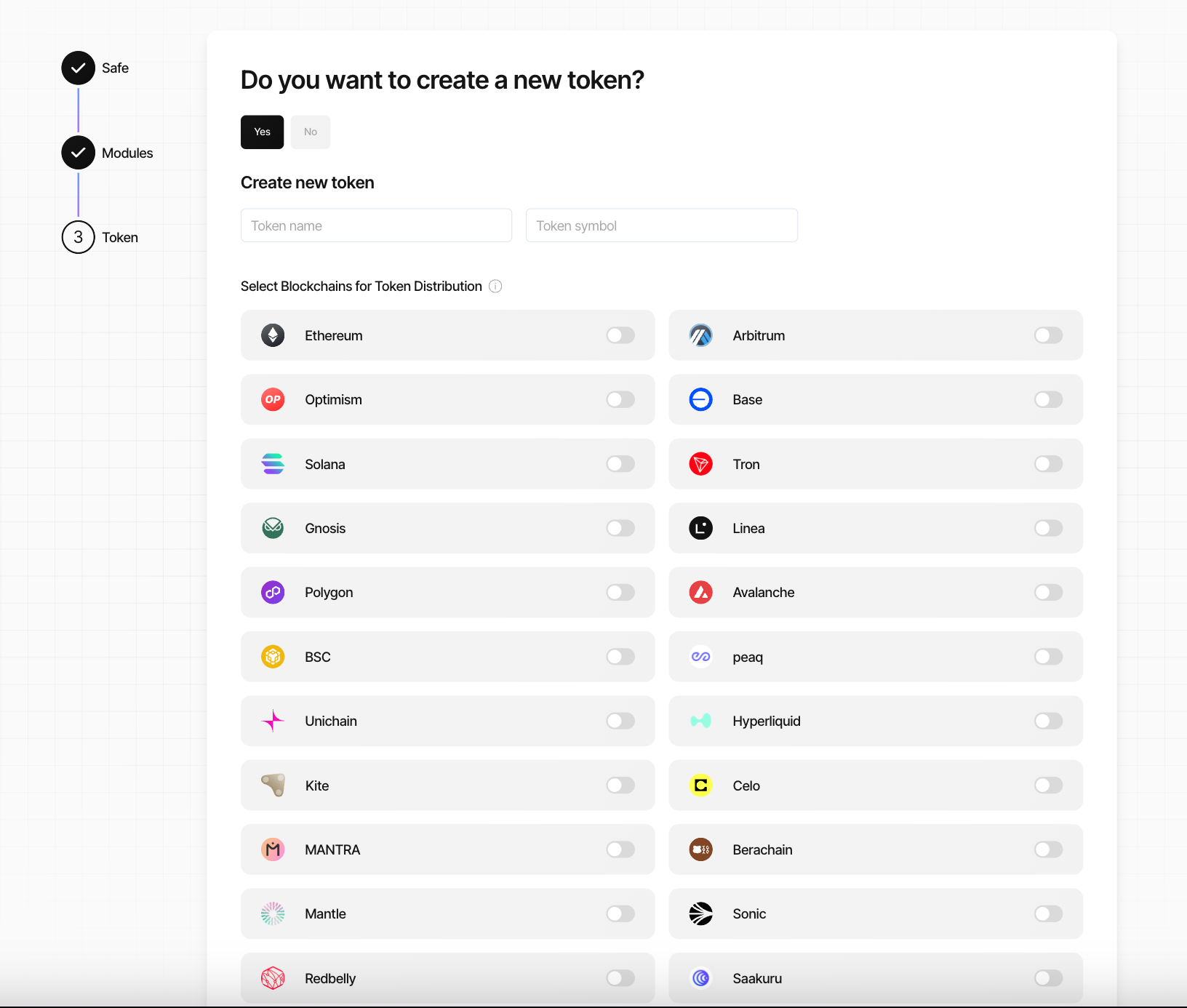
Organisations can configure:
- existing tokens
- newly deployed tokens
- wrapped token systems
- cross-chain token infrastructure
- governance token integrations
Supported infrastructure includes:
- xERC20 compatibility
- bridge-agnostic token coordination
- mint and burn infrastructure
- interoperability-aware token systems
Supported Token Standards
Lucid supports multiple interoperability and token infrastructure standards.
| Standard | Purpose |
|---|---|
| xERC20 | Cross-chain mint and burn standard |
| ERC-7802 | Cross-chain token compatibility |
| Custom Mint/Burn Tokens | Custom interoperability-compatible token systems |
These standards enable:
- bridge-agnostic asset transfers
- interoperability coordination
- unified mint and burn infrastructure
- multi-provider bridge compatibility
Existing Token Configuration
Organisations can configure already deployed tokens by:
- selecting supported chains
- registering token addresses
- configuring interoperability permissions
- enabling bridge infrastructure
Governance contracts can also be connected to existing token infrastructure during deployment.
Token Deployment
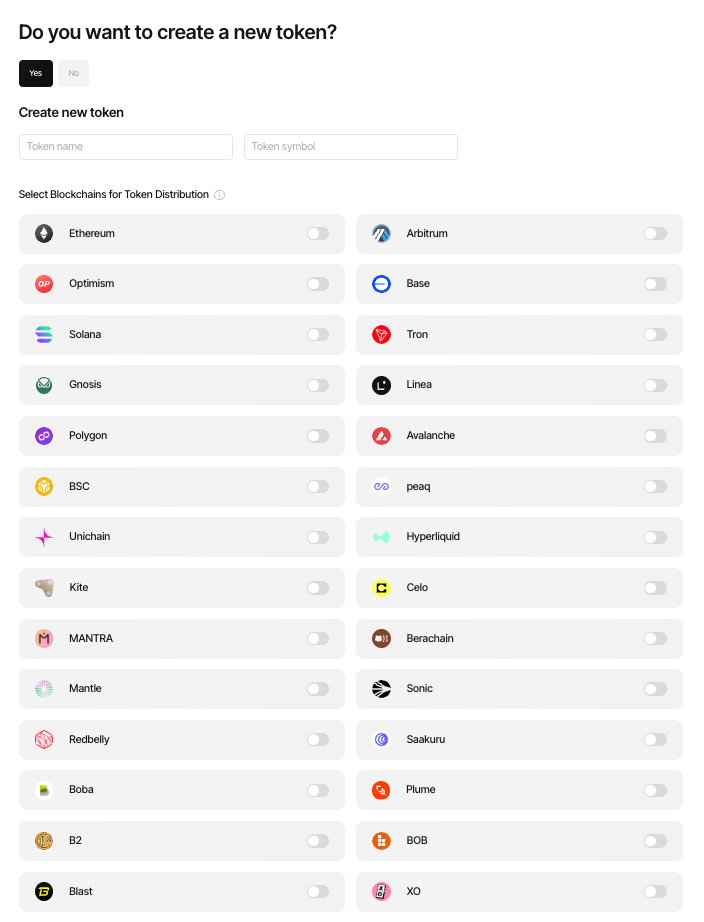
Lucid also supports deployment of new token infrastructure during organisation setup.
Token deployment configuration includes:
- token name
- token symbol
- deployment chains
- governance integration
- vesting infrastructure
- recipient configuration
- interoperability permissions
Token Distribution Infrastructure
Token deployment supports configurable distribution infrastructure.
Supported distribution features include:
- recipient allocation management
- milestone-based vesting
- linear vesting
- multi-strategy distribution
- bulk recipient imports
Milestone Vesting
Milestone vesting distributes tokens across predefined unlock milestones.
Example:
- 1 milestone distributes 100% at once
- 2 milestones distribute 50% at each milestone
- 5 milestones distribute 20% at each milestone
This structure supports staged token distribution coordination.
Linear Vesting
Linear vesting distributes tokens progressively over a configured time period.
Configuration includes:
- vesting start date
- vesting end date
- continuous unlock scheduling
Tokens are distributed evenly throughout the configured vesting duration.
Strategy Infrastructure
Lucid supports multiple simultaneous distribution strategies within the same token deployment.
Supported features include:
- up to 10 simultaneous strategies
- recipient segmentation
- CSV imports
- large-scale distribution coordination
Each CSV import can support up to:
10,000 addresses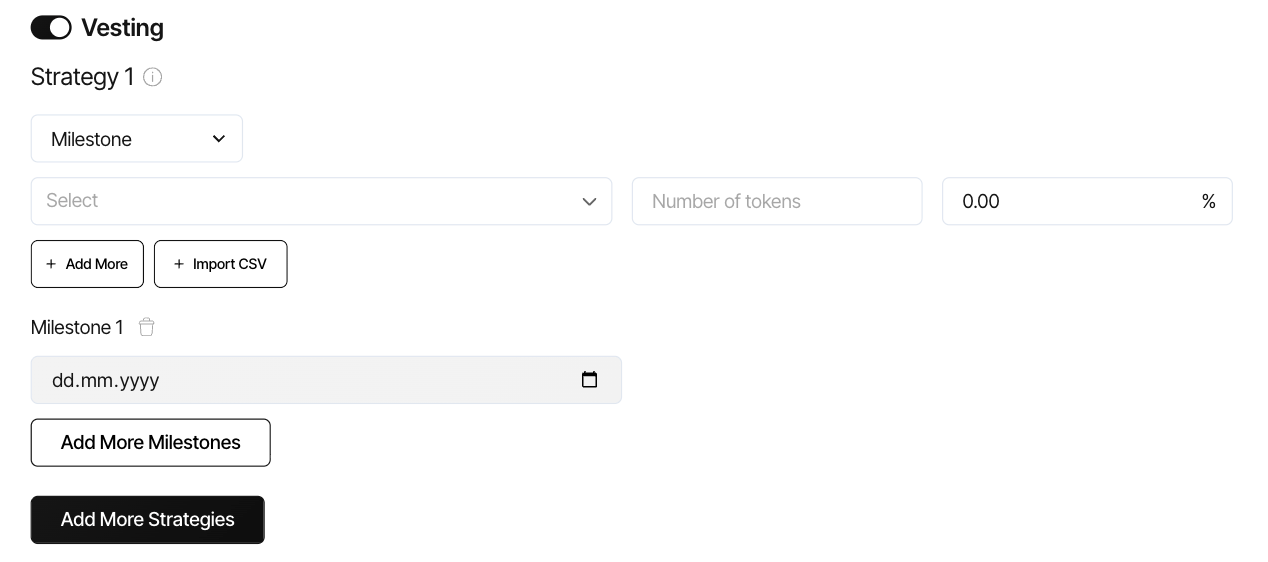
Voting With Unvested Tokens
Token infrastructure optionally supports voting with unvested tokens.
This feature:
- is configured directly within the token contract
- must be enabled during initial deployment
- enables governance participation before full vesting completion
This functionality is important for ecosystems using on-chain governance infrastructure.
Token Wrapping Infrastructure
If a token is not natively xERC20-compatible, Lucid supports interoperability wrapping infrastructure.
Wrapping enables:
- interoperability compatibility
- cross-chain transfer support
- bridge coordination
- mint and burn interoperability
- unified token infrastructure
Without wrapping:
- some interoperability functionality may remain unavailable
- bridge-based asset transfers may not operate
Lockbox Infrastructure
When wrapping is enabled, Lucid deploys a Lockbox contract.
The Lockbox coordinates:
- token wrapping
- token unwrapping
- asset custody during conversion
- interoperability compatibility
The Lockbox infrastructure:
- converts native ERC-20 tokens into xERC20-compatible assets
- enables interoperability-aware mint and burn coordination
- supports cross-chain infrastructure compatibility
Multi-Bridge Infrastructure
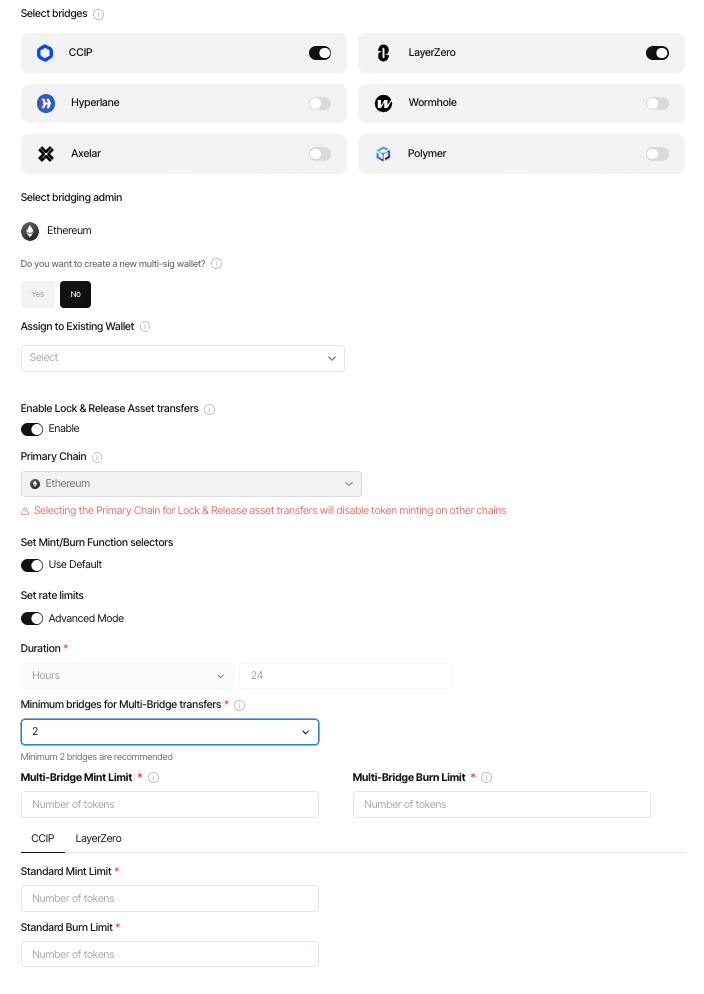
Organisations can configure interoperability providers directly during deployment.
Supported interoperability providers currently include:
- Chainlink CCIP
- Hyperlane
- Axelar
- Wormhole
- Connext
- LayerZero
These providers coordinate:
- asset transfers
- interoperability messaging
- mint and burn execution
- cross-chain settlement
Additional interoperability providers may be added over time.
Bridge Configuration
Organisations configure:
- supported chains
- enabled interoperability providers
- bridge permissions
- interoperability routing
- transfer execution rules
Each chain requires operational authority infrastructure for managing related interoperability contracts.
Rate Limit Infrastructure
Lucid supports configurable mint and burn rate limits across interoperability providers.
Supported modes include:
| Mode | Purpose |
|---|---|
| Simple | Shared global limits across all bridges |
| Advanced | Individual limits per bridge provider |
Simple mode applies:
- unified mint limits
- unified burn limits
- shared rate periods
Advanced mode enables:
- bridge-specific limits
- bridge-specific risk configuration
- provider-specific operational control
Multi-Bridge Limits
Organisations can configure:
- mint limits
- burn limits
- rate periods
- bridge thresholds
- minimum bridge requirements
These limits help coordinate:
- interoperability risk management
- liquidity protection
- transfer security
- bridge redundancy
Multi-bridge limits are typically higher than single-provider limits because execution risk is distributed across multiple interoperability providers.
Minimum Bridge Thresholds
Organisations can configure minimum bridge participation requirements for consensus-based execution.
Example:
- requiring at least 2 bridges before execution finalises
This infrastructure improves:
- redundancy
- execution verification
- interoperability security
Additional operational flows are covered in the Multi-Hop & Multi-Consensus section.
Message Originators
Cross-chain interoperability systems require configured message originators.
Message originators determine:
- which chains initiate interoperability messages
- which governance systems coordinate execution
- how cross-chain actions are propagated
Multiple message originators can be configured simultaneously.
Governor Authorisation
Governors can be authorised for interoperability execution and cross-chain governance coordination.
This infrastructure enables:
- governance-aware bridge execution
- cross-chain proposal coordination
- interoperability-integrated governance flows
Governance permissions depend on the organisation’s configured governance architecture.
Asset Transfer Infrastructure
Asset transfer infrastructure coordinates:
- cross-chain token transfers
- mint and burn execution
- interoperability routing
- bridge-agnostic settlement
- liquidity coordination
Transfer execution operates through Lucid’s integrated Multi-Bridge infrastructure.
Additional operational transfer flows are covered in the Multi-Bridge and Multi-Hop & Multi-Consensus sections.